September 17, 2026
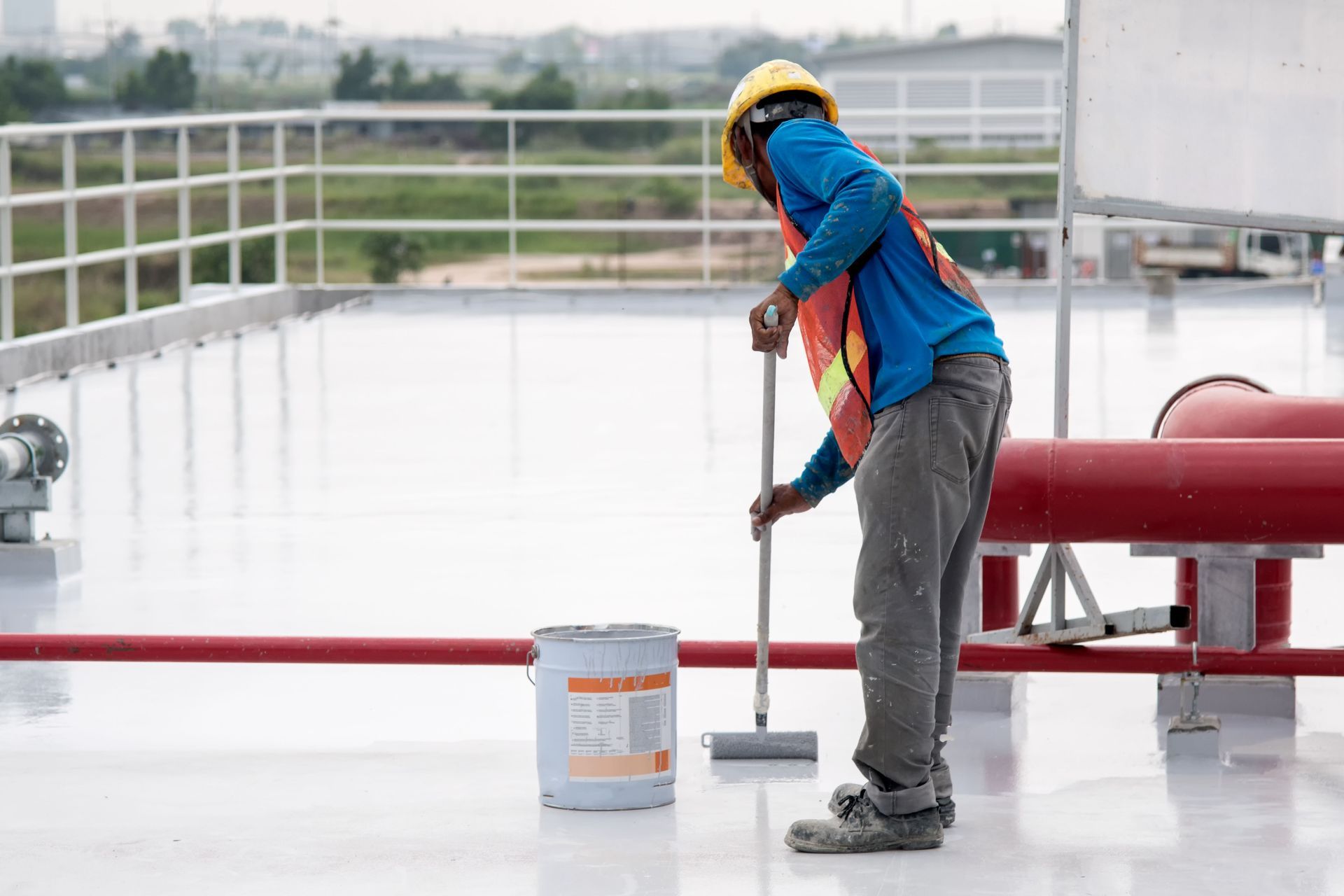
Concrete surfaces endure continuous stress from foot traffic, heavy equipment, daily spills, and shifting ambient temperatures. Left unprotected, standard concrete quickly develops cracks, stubborn stains, and structural wear that compromise both functionality and appearance over time. Applying an epoxy floor coating transforms a porous, vulnerable surface into a dense, highly resilient barrier capable of withstanding severe daily abuse.
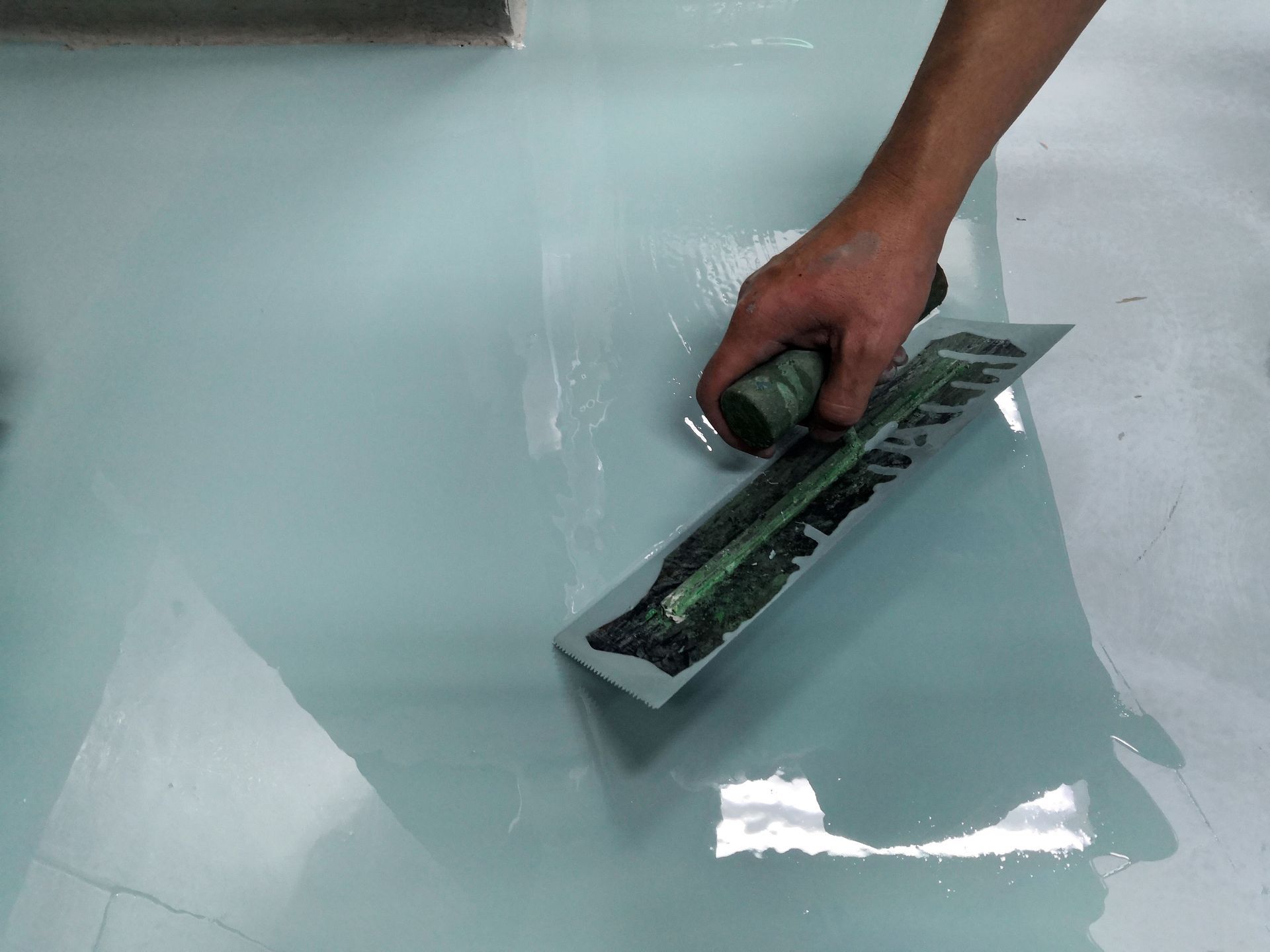
This advanced synthetic resin treatment bonds seamlessly with the underlying substrate, significantly extending operational life while dramatically reducing long-term maintenance demands. Understanding the primary mechanisms behind this remarkable surface transformation helps property owners preserve their physical assets effectively.
Shielding Concrete Surfaces With Chemical Barrier Coatings
Substrates exposed to industrial fluids, automotive oil, strong solvents, or household cleaning detergents frequently suffer severe surface degradation without proper surface protection. An epoxy floor coating acts as an impermeable shield that prevents liquid chemicals from penetrating porous concrete layers. When corrosive substances touch an uncoated floor, they seep deep into internal capillaries, triggering chemical breakdown and unsightly discoloration.
Epoxy material establishes a tough, non-porous exterior layer that contains liquid spills entirely on the top surface. Cleanup becomes simple and immediate, ensuring harsh chemical agents cannot weaken structural integrity or stain the surrounding area over years of continuous service.
Preventing Moisture Intrusion Through Advanced Surface Sealing
Liquid migration through concrete capillaries creates severe structural problems, including internal cracking, mold proliferation, and surface spalling over extended timeframes. Applying an epoxy floor coating effectively seals these micropores, preventing water vapor from migrating upwards or liquid spills from sinking downwards. Freeze-thaw cycles present a major hazard to unsealed floors, as trapped water expands upon freezing and ruptures the dense concrete matrix.
By completely stopping fluid entry, this resilient seal keeps the underlying slab dry and intact. Property owners avoid costly structural repairs while maintaining a clean, hygienic environment free from dampness, fungi, and moisture-driven erosion.
Resisting Mechanical Impact Through Superior Load Distribution
High-volume traffic, dropped tools, and heavy machinery subject industrial and residential floors to intense mechanical strain daily. Standard concrete easily chips, pits, or fractures when subjected to sudden point loads or heavy rolling vehicles. An epoxy floor coating distributes localized weight across a broader surface area, absorbing mechanical energy before it damages the brittle concrete underneath.
The hardened resin matrix resists scuffing, gouging, and severe abrasion, maintaining a remarkably smooth surface under tough conditions. Consequently, busy facilities, commercial warehouses, and residential garages keep their structural integrity intact without suffering constant physical degradation or unsightly floor damage.
Enhancing Surface Brightness Through High Reflectivity Properties
Poorly illuminated workspace floors create potential safety hazards and increase monthly electricity expenses for facility managers. A high-gloss epoxy floor coating reflects overhead light into the surrounding space, dramatically improving ambient illumination without requiring additional light fixtures. Bright, highly reflective floors enhance overall visibility, making subtle hazards, dropped tools, and fluid leaks immediately obvious to workers walking around.
Increased light reflectivity also reduces artificial lighting requirements, leading to lower energy consumption across large commercial facilities. This simple optical benefit creates a much safer, brighter, and more energy-efficient environment for daily industrial or residential operations.
Eliminating Concrete Dusting Through Total Surface Encapsulation
Unfinished concrete continually breaks down under physical contact, creating fine, powdery dust that settles on vehicles, machinery, and inventory items. A high-quality epoxy floor coating encapsulates the upper concrete layer entirely, stopping this annoying disintegration process right at the source. Dusting pollutes indoor air quality, damages sensitive electronic equipment, and creates a perpetual cleaning burden for building maintenance personnel.
By forming a seamless, solid sheet over the entire floor, the protective coating eliminates dust generation. Cleanroom standards become much easier to maintain, while indoor equipment remains free from harmful airborne abrasives generated by deteriorating floor surfaces.
Optimizing Long-Term Value Through Extended Lifespan Dynamics
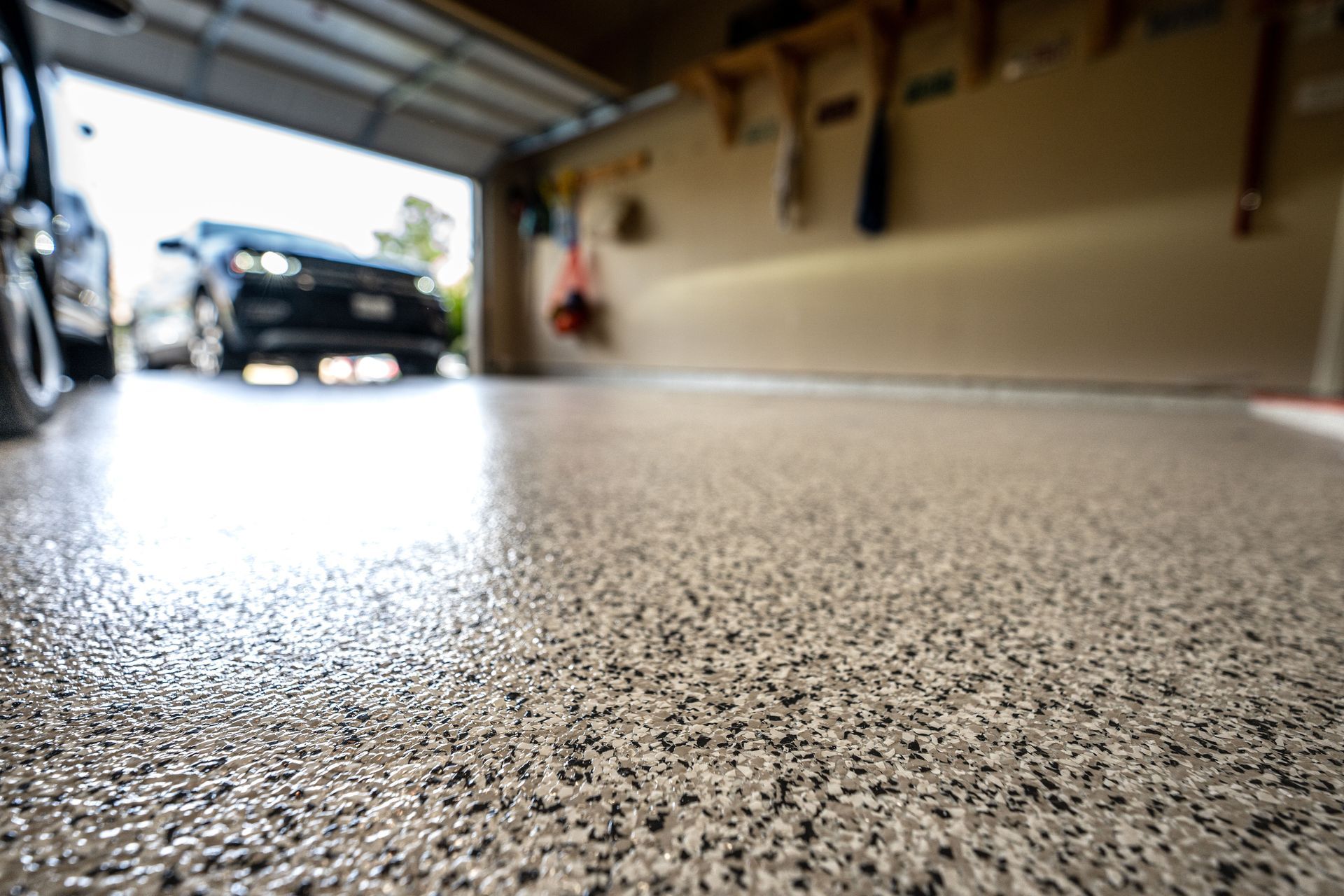
Property owners seeking sustainable building solutions must consider the extended service life provided by professional surface treatments. According to This Old House, epoxy garage floor coatings typically have a lifespan ranging from 10 to 20 years. This impressive longevity stems from the robust molecular bonding that occurs between the liquid resin mixture and the prepared concrete surface beneath.
Unlike thin surface paints that peel, chip, or flake away within months, dense polymer coatings withstand decades of relentless daily use. Investing in durable surface armor minimizes future replacement costs, dramatically decreases maintenance downtime, and preserves overall property values over several decades of operation.
Elevating Safety Protocols Through Slip-Resistant Texturing
Slippery floors present serious safety risks to employees, clients, and family members walking across high-traffic areas during routine activities. Integrating specialized anti-slip aggregates directly into an epoxy floor coating provides customizable traction tailored to specific environmental needs. Smooth concrete turns extremely slick when exposed to water, oils, or loose debris, leading to dangerous accidental slips and sudden falls.
Adding gritty silica sand or aluminum oxide particles creates a slip-resistant texture that grips footwear securely. This protective modification reduces workplace liability, enhances personal safety, and ensures secure foot traction even in wet or demanding operational environments.
Mitigating Thermal Shock Through Specialized Polymer Formulations
Extreme temperature fluctuations pose a continuous threat to floor stability, causing untreated materials to expand, contract, and fracture over time. Modern polymer formulations enable an epoxy floor to absorb moderate thermal shock without losing structural adhesion or developing deep internal stress cracks. Thermal cycling frequently occurs near exterior bay doors, industrial washing and rinsing zones, and commercial kitchen areas where hot liquids hit cold floors directly.
The flexibility inherent in quality polymer matrices allows the coated surface to accommodate slight thermal expansion seamlessly. Preventing stress fractures preserves the smooth surface barrier and protects underlying concrete structures from thermal decay.
Streamlining Daily Maintenance Through Seamless Surface Design
Grout lines, deep expansion joints, and pitted surfaces gather dirt, bacteria, and grime that demand extensive manual scrubbing to remove effectively. Applying a smooth epoxy floor creates a completely seamless surface where debris cannot accumulate or hide from routine cleaning equipment.
Standard dust mops, mild soaps, and squeegees easily remove surface dust, grease spills, and dirt without requiring toxic chemical strippers or heavy machinery. This hassle-free maintenance protocol saves significant labor time and operational expense over the lifespan of the building, allowing facility managers to allocate valuable cleaning resources to other important facility operational priorities.
Preventing UV Degradation With Formulated Topcoat Integration
Direct sunlight exposure can yellow, dull, or break down inferior floor surfaces through relentless ultraviolet radiation absorption over continuous seasonal exposures. Specially formulated polyurethane topcoats placed over an epoxy floor prevent harmful UV rays from degrading the vibrant color pigments or weakening the underlying polymer structure.
Unprotected surfaces rapidly lose their rich aesthetic appeal, becoming chalky, brittle, and faded within a few years of direct sun contact. Utilizing UV-stabilized topcoats ensures bright finish colors and high gloss levels remain intact for years, preserving both visual aesthetics and fundamental surface protection against sunlight.
Investing in high-quality surface treatments represents a highly effective strategy for preserving concrete integrity, improving facility safety, and reducing ongoing maintenance expenses. A properly installed epoxy floor seals out destructive moisture, resists harsh chemicals, prevents mechanical impact damage, and dramatically brightens dark indoor spaces.
Combined with exceptional durability and low maintenance demands, these advanced polymer systems transform ordinary concrete into a resilient, long-lasting surface asset. Whether applied in commercial warehouses, industrial manufacturing plants, or residential garages, protective polymer coatings ensure underlying floors remain strong, clean, and visually appealing through decades of continuous daily usage.
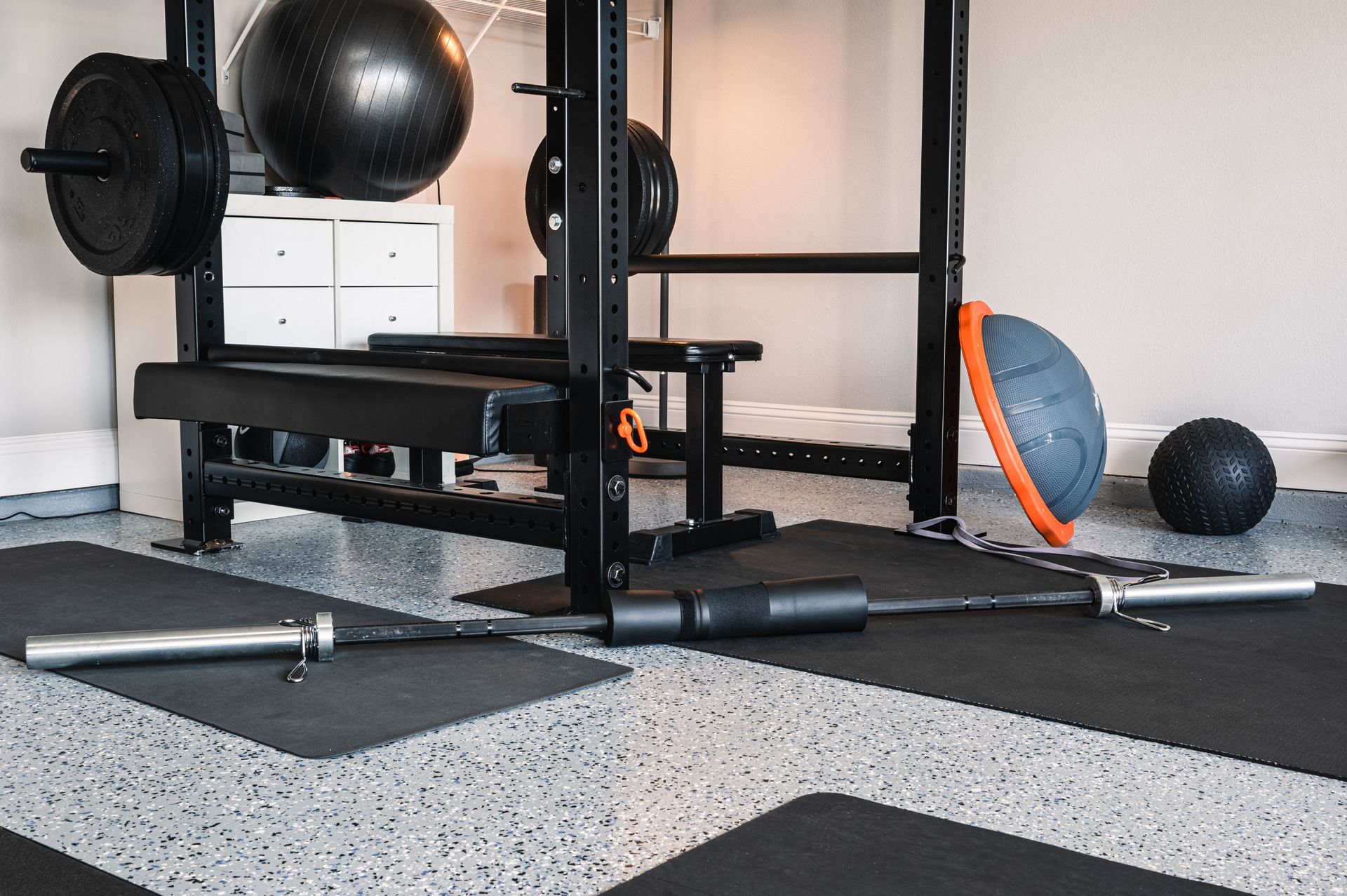
Are you seeking professional-level epoxy floor coating services in Michigan? Traverse City Coatings has you covered! Whether you're looking to upgrade your garage floors or build a workout room, we're up for the challenge. Contact us today to schedule your next service appointment.