April 16, 2026
In recent years, epoxy floors have gained significant traction among homeowners for their blend of durability and aesthetic versatility. Known for their resilience and sleek appearance, epoxy flooring stands out as an appealing choice, especially in high-traffic areas. This article aims to provide homeowners with comprehensive insights into epoxy flooring, covering the essentials from preparation and installation to maintenance and costs. Understanding these key aspects ensures that homeowners can make informed decisions to enhance both the functionality and the aesthetic appeal of their spaces. As the journey into epoxy flooring unfolds, the importance of meticulous planning and execution will become apparent.
1. The Basics of Epoxy Flooring
Epoxy flooring is a surface that results when epoxy resin and a hardening compound are mixed and applied to a substrate, usually concrete. The process results in a durable, high-gloss finish that's highly resistant to stains and chemicals. This characteristic makes epoxy an ideal flooring solution for garages, basements, and industrial settings. Beyond its utility, epoxy flooring can be customized with various colors and patterns to suit personal tastes. As a homeowner, understanding the basic composition of epoxy can help set realistic expectations about its performance and maintenance needs.
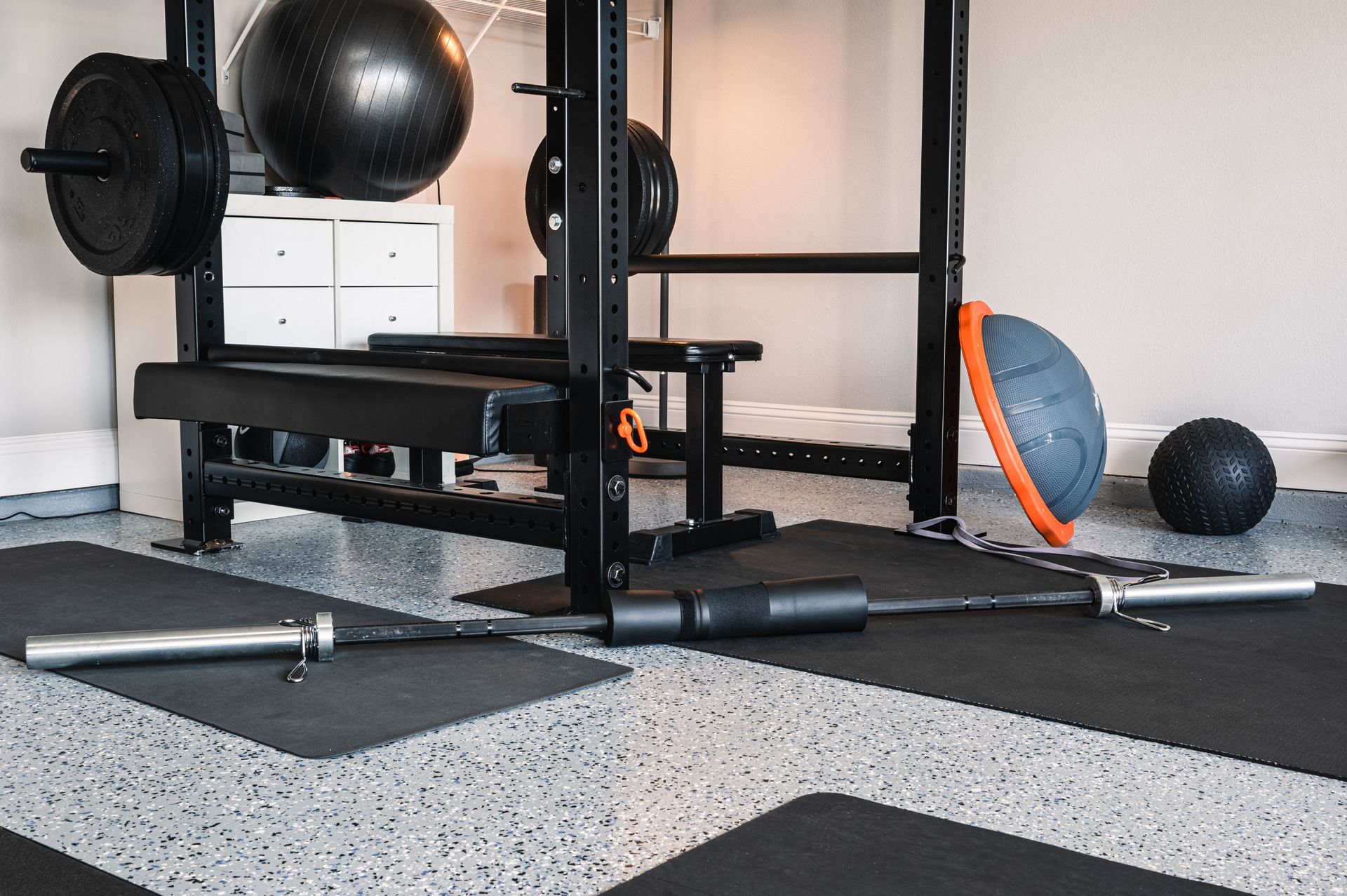
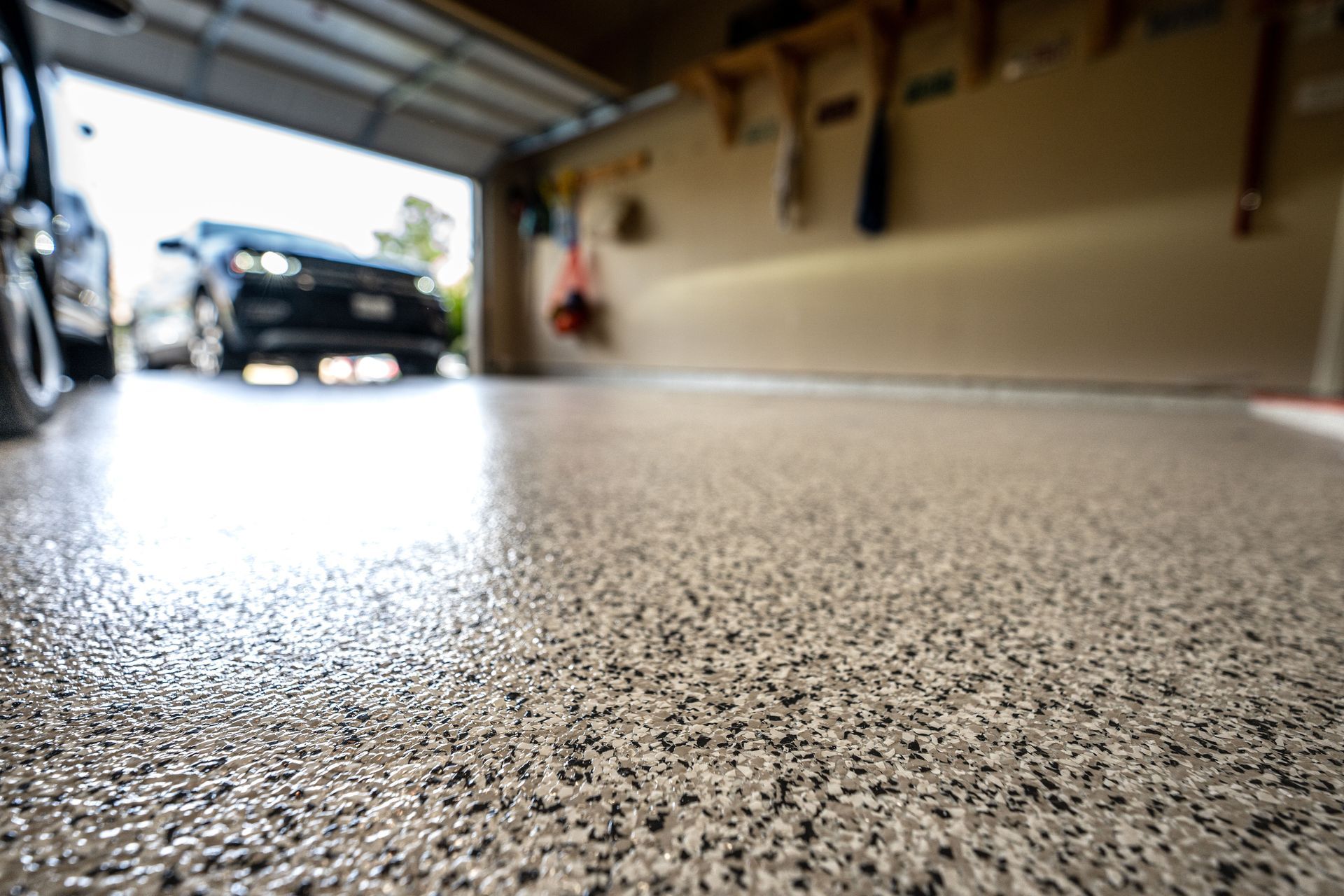
There are several types of epoxy floor coatings, each offering unique benefits. Self-leveling epoxy provides a smooth surface even on uneven substrates, making it suitable for both new constructions and floor restoration projects. Quartz-filled epoxy flooring incorporates grains of quartz for added texture and slip resistance, often favored in areas that require enhanced durability. Epoxy flake coatings, incorporating colored chips or flakes, create a decorative and slip-resistant surface popular in showrooms and garages. Understanding these options helps homeowners choose a solution that meets both aesthetic goals and functional demands.
One of the primary advantages of epoxy flooring is its resistance to various types of damage, including chemical spills and abrasion, making it especially beneficial in household environments with heavy foot traffic or automotive use. The seamless finish of epoxy flooring is not only attractive but also easy to clean, as dirt and spills can be easily wiped away without absorbing into the flooring. Additionally, epoxy flooring is highly customizable, allowing homeowners to opt for different colors, patterns, and finishes that correspond with their interior decor. Despite its cost relative to other options, the long-term savings in maintenance and replacements make it a financially sensible choice. Moreover, epoxy floors are environmentally friendly, as they reduce both material wastage and the need for harsh cleaning chemicals.
Misconceptions about epoxy flooring often deter homeowners who might otherwise benefit from its installation. Some believe epoxy floors are excessively slippery; however, this can be addressed by choosing a textured finish or adding anti-slip additives. Others think that epoxy floors are expensive, without considering the long-term savings on maintenance and durability. Another common myth is that epoxy flooring lacks aesthetic appeal, when in fact, it offers a wide range of design options. Debunking these myths is crucial to making informed decisions about flooring installations in home environments.
2. Preparation Before Installation
Before installation, it's vital to assess the readiness of the existing flooring, focusing on the overall condition of the substrate. A thorough inspection can reveal cracks, residue, or moisture issues that need to be addressed for the epoxy to adhere properly. Testing the moisture level is crucial since excessive moisture can prevent the epoxy from curing correctly. Detecting and correcting these issues in advance prevents future complications and ensures a long-lasting epoxy floor. Preparation is therefore more than a mere recommendation; it is an essential step in the installation process.
Surface preparation is crucial in ensuring the strong adhesion of the epoxy to the substrate, offering longevity and optimal performance. Grinding or shot-blasting the surface helps remove existing coatings, grease, or contaminants that might compromise adhesion. Creating a slightly roughened surface profile is essential for the epoxy to mechanically bond with the substrate, preventing peeling. Failure to adequately prepare the surface can lead to costly repairs and reapplications. Proper preparation is therefore key to maximizing the lifespan and durability of epoxy flooring.
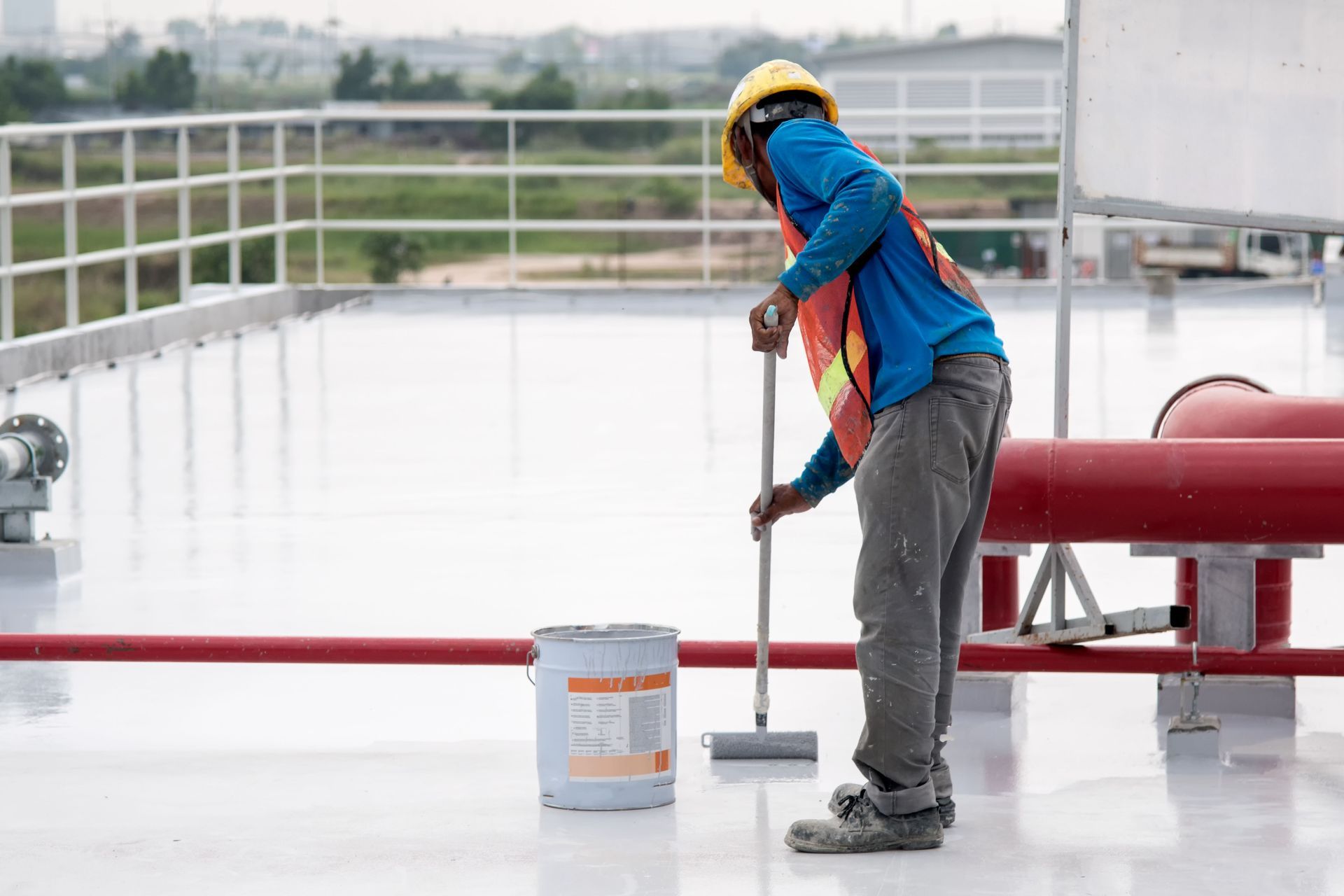
The installation of epoxy flooring demands a well-stocked toolkit comprising essential items. Floor grinders, shot blasters, or sanders are pivotal for achieving a prepared substrate. High-quality rollers and squeegees assist in achieving a smooth, even application of the epoxy mixture. Additional equipment, like mixers for combining resin and hardener, ensures the right consistency for application. Investing in quality tools and materials pays dividends in the form of a professional-grade finish.
3. The Installation Process
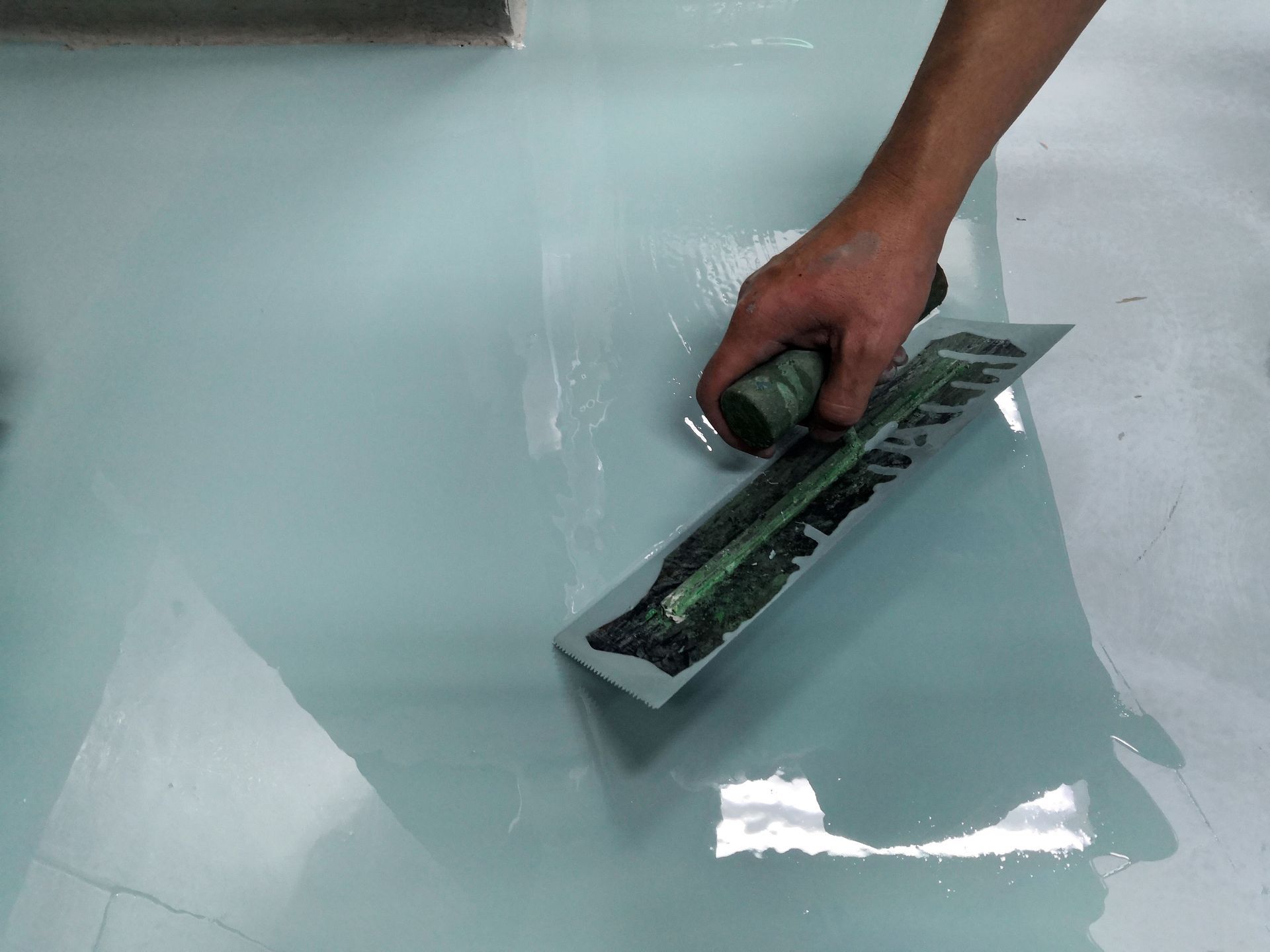
A thorough comprehension of the epoxy floor installation process is critical for success. The journey begins with preparing the substrate, ensuring it's clean, smooth, and free of contaminants. Technicians then measure and mix the resin and hardener in exact proportions, ensuring a homogeneous blend. Application follows, with an initial primer coat setting the stage for subsequent layers, each meticulously applied for uniformity. Finally, a topcoat provides a durable and glossy finish, solidifying the floor’s protective features.
While the epoxy floor installation is often portrayed as quick due to its rapid curing properties, the entire process is more nuanced and time-consuming. Preparation stages, involving surface cleaning and repairs, can take more time than anticipated, especially for rough or uneven substrates. Once the epoxy is applied, it's vital to consider the layers involved, each requiring adequate curing time—often 24 to 48 hours. According to Forbes, it’s recommended to wait about 72 hours for an epoxy floor coating to set before allowing regular foot traffic and everyday activities on the surface. Factoring in each stage allows homeowners to plan schedules and temporarily relocate necessary items efficiently.
The curing and drying times for epoxy flooring are critical for ensuring long-lasting durability. Initial curing typically begins within the first few hours post-application, with the floor appearing dry to the touch. Nevertheless, full curing, whereby the floor can endure heavy use and significant weight, commonly requires an extended period of up to seven days. During this interval, the polymerization and hardening processes must be completed fully. Homeowners should avoid unnecessary foot traffic or furniture placement during this period to prevent compromising the curing process.
4. Maintenance and Longevity
Maintaining the pristine condition of epoxy floors involves implementing simple but consistent cleaning routines. Regular sweeping or vacuuming prevents dust and debris accumulation, while mopping with a diluted ammonia solution aids in removing stains. Harsh chemical cleaners should be avoided, as they can erode the glossy finish or harm the resinous layers. Prompt removal of liquid spills also protects the surface from potential discoloration or chemical reactions. Consistent care not only preserves the floor's appearance but also extends its useful life.
Implementing preventative measures plays a pivotal role in maximizing the lifespan of epoxy floors. Employing mats or rugs at entrances minimizes wear and scratches caused by debris entering from outside. Furniture pads can prevent unsightly scratches and gouges when moving items around. Regular inspections for signs of minor damage also allow for timely repairs, mitigating more extensive and costlier interventions. These simple, proactive strategies contribute significantly to maintaining the floor's functionality and visual appeal over time.
In instances where damage occurs, prompt and efficient repair ensures the longevity and integrity of the epoxy floor. Addressing minor scratches and chips involves cleaning the area and applying a fresh layer of epoxy, seamlessly integrating with the existing floor. More extensive damage might necessitate professional intervention, especially when repairing large areas or recoating complete sections. Timely action prevents structural degradation, maintaining flooring safety and aesthetic standards. A proactive and systematic approach to repairs prolongs the floor's life and ensures it remains an attractive feature of the home.
Epoxy flooring offers homeowners a durable, visually appealing, and highly customizable solution for a variety of residential spaces. From understanding the different types of coatings to ensuring proper preparation, installation, and maintenance, each step plays a vital role in achieving long-lasting results. When executed correctly, epoxy floors not only enhance the functionality of a home but also contribute to its overall aesthetic value. By taking the time to plan carefully and follow best practices, homeowners can confidently invest in a flooring option that delivers both immediate impact and long-term benefits. Contact Traverse City Coatings today for more information.